
Installing a Standby Generator
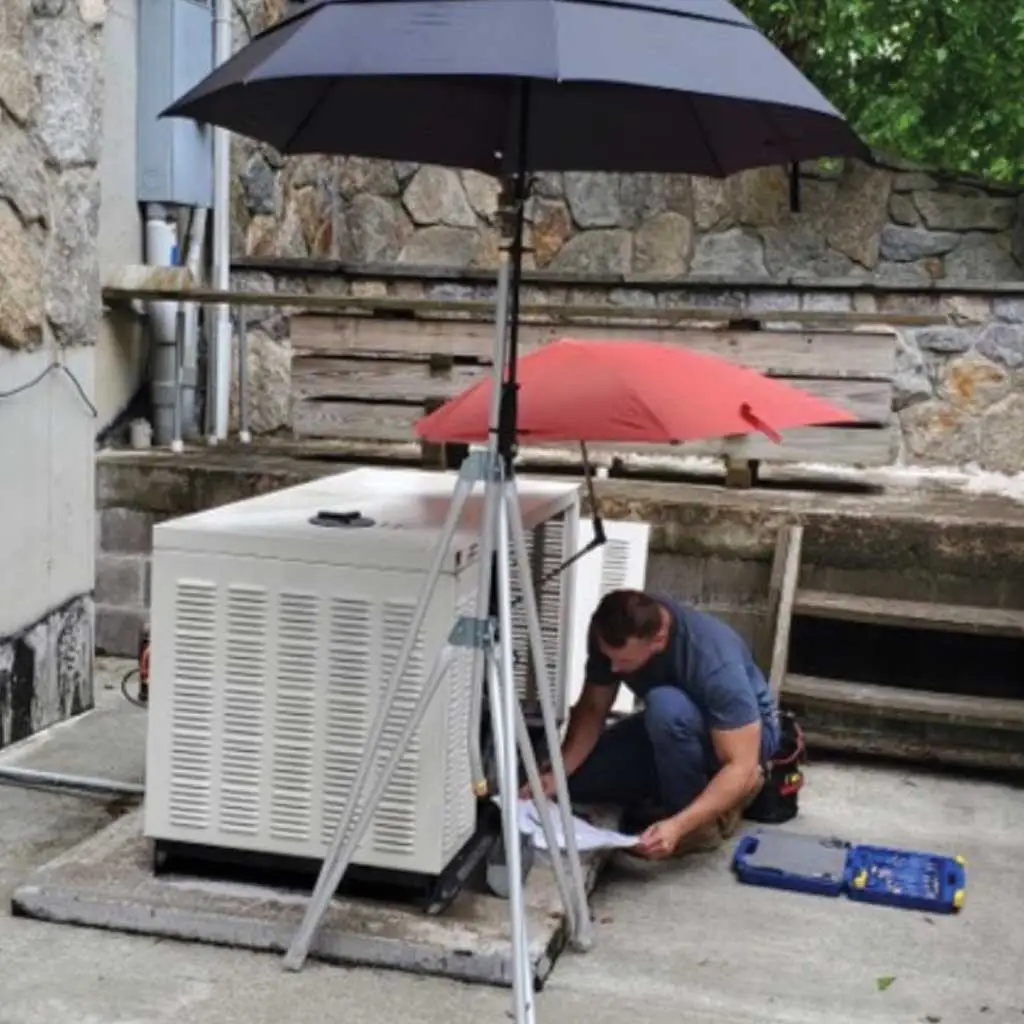
Free On-Site Assessment
Every installation starts with a visit to your home. We’ll assess your property to:
- Determine the right generator size for your electrical loads
- Identify the best outdoor placement for the unit
- Confirm your natural gas or propane fuel access
- Review local zoning, utility, and safety requirements
At our consultation, we will need access to your electrical panel(s), the area for generator placement. Most air-cooled generators require the following clearances:
- Minimum of 18 inches from the back of the generator to the side of the home
- 3 feet left for the outtake from a structure or high vegetation
- 3 feet right for the intake from a structure or high vegetation
- 3 feet in front for working clearance for the generator
- 5 feet minimum from any opening to the home: windows, doors, vents
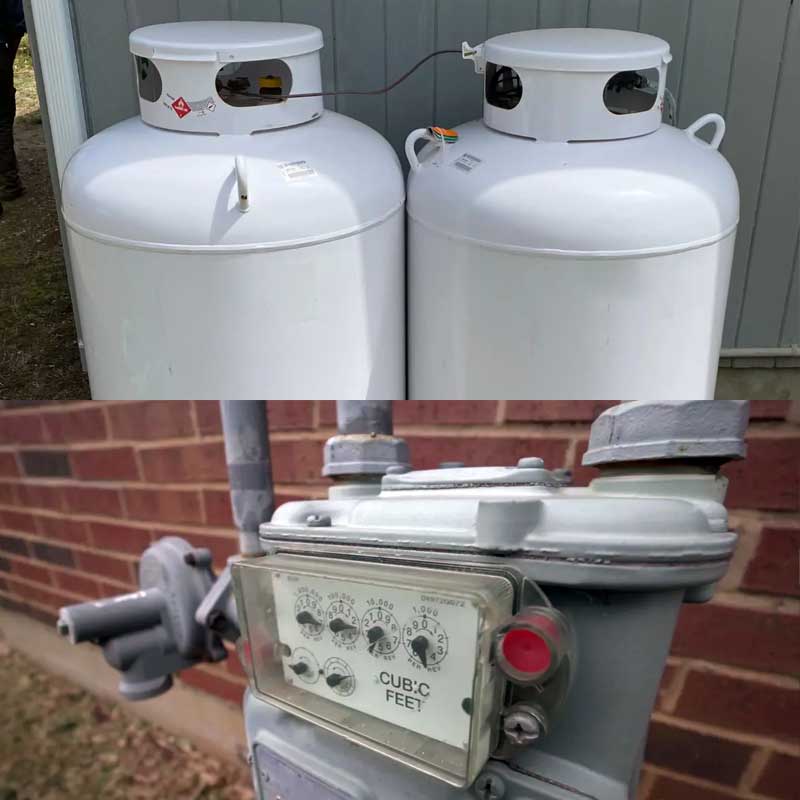
Fuel (Natural Gas or Propane)
Standby generators run on either natural gas or propane. Here’s what to know for each:
Natural Gas:
Connecticut requires a licensed plumber to connect the gas line from the generator to your gas utility meter. If your generator requires more gas capacity than your current meter provides, we’ll guide you through the upgrade process with Eversource or Connecticut Natural Gas for upgrading your gas meter.
Propane:
A licensed plumber is required for propane installations in Connecticut. Most whole-house generators need at least two 120-gallon tanks to cover 3-5 days of use during an outage. If you lease your tanks, your propane company handles the hookup. If you own your tanks, any licensed plumber can do the work. Tanks over 120 gallons must be placed at least 10 feet from your home.
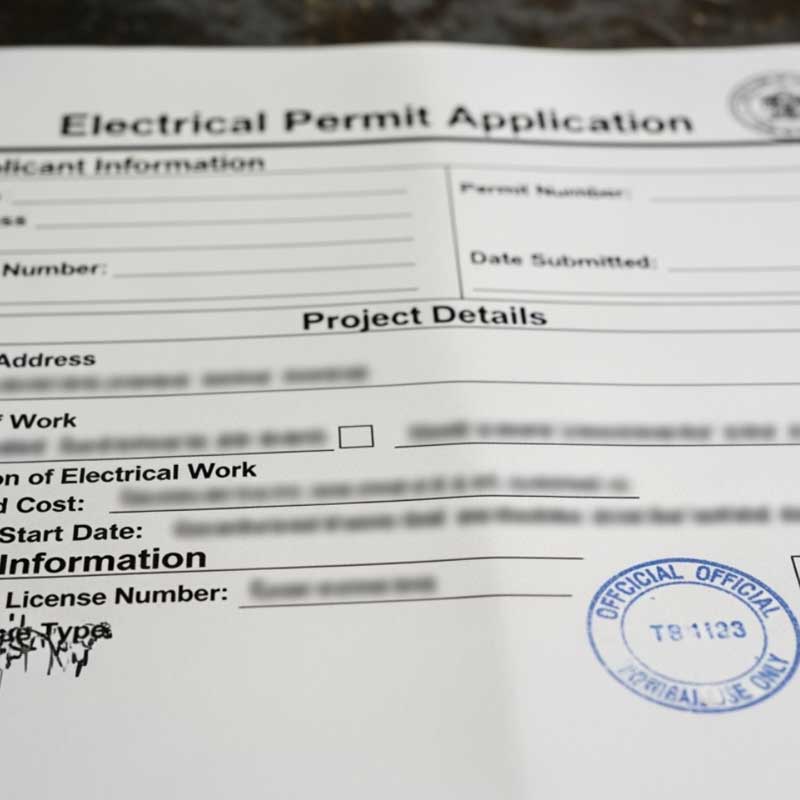
Permits
Before we begin any electrical work, we submit permit applications to your town or city Every residential generator installation in Connecticut requires at minimum an electrical permit and a mechanical permit for the fuel line. If zoning or wetlands permits are also needed, we’ll walk you through that process too. Once permits are approved, we schedule delivery of your generator.
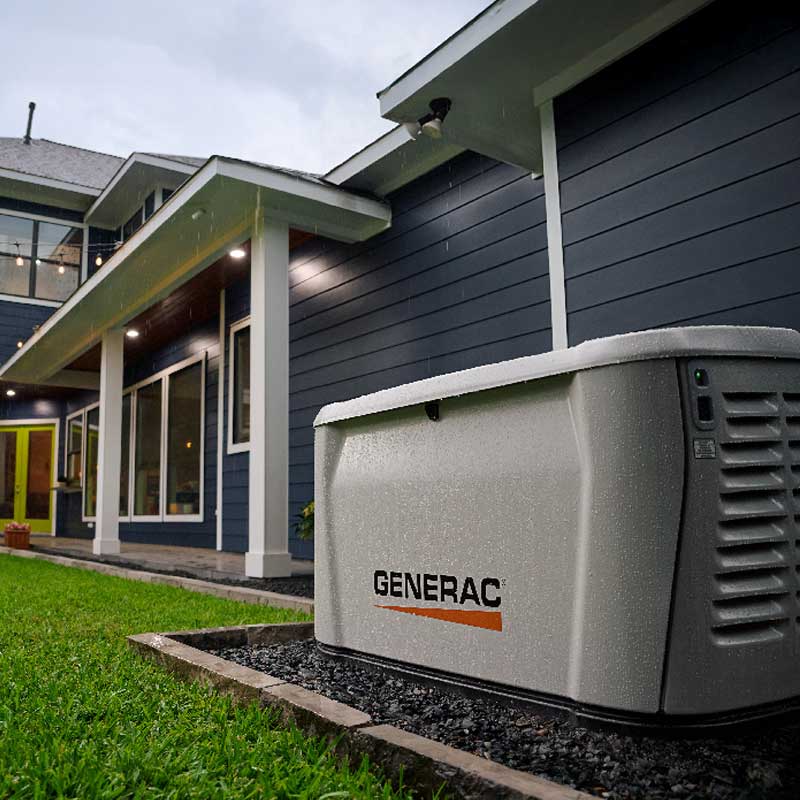
Delivery
Our generators are delivered using our box truck with custom liftgate. Wheels are affixed to the sides of the generator, and the unit is transported over to the area for generator placement. The weight of a typical air-cooled generator is between 400-500 pounds.
Gas Installation
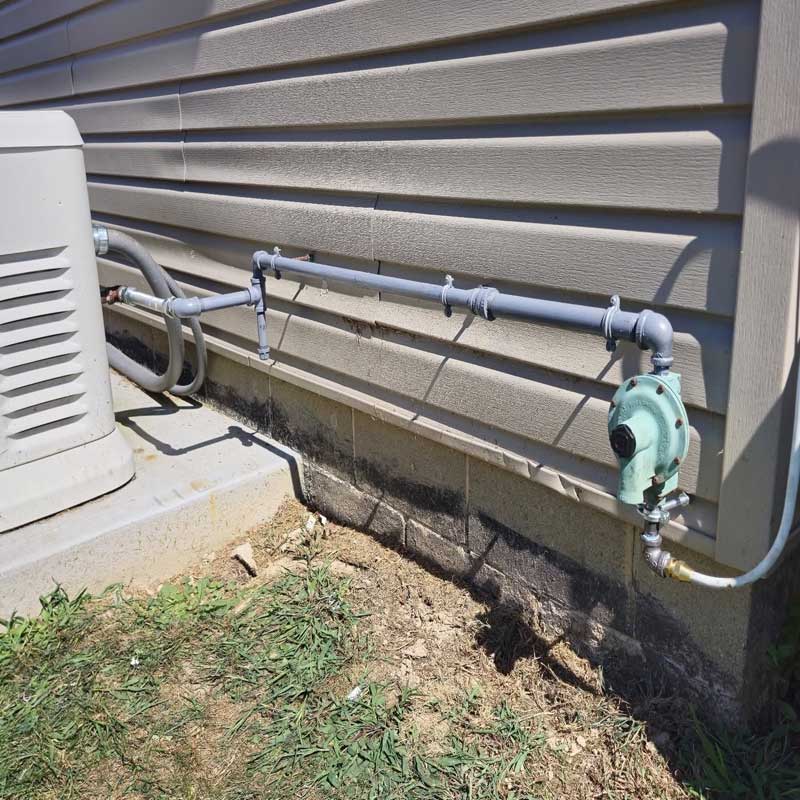
Natural Gas: A licensed plumber will run a gas line from the gas meter up to the back of the generator. Local authority will then pressure test the line before final connection. Once the line is approved by the inspector, the plumber will return and connect the line to the generator.
Electrical Installation
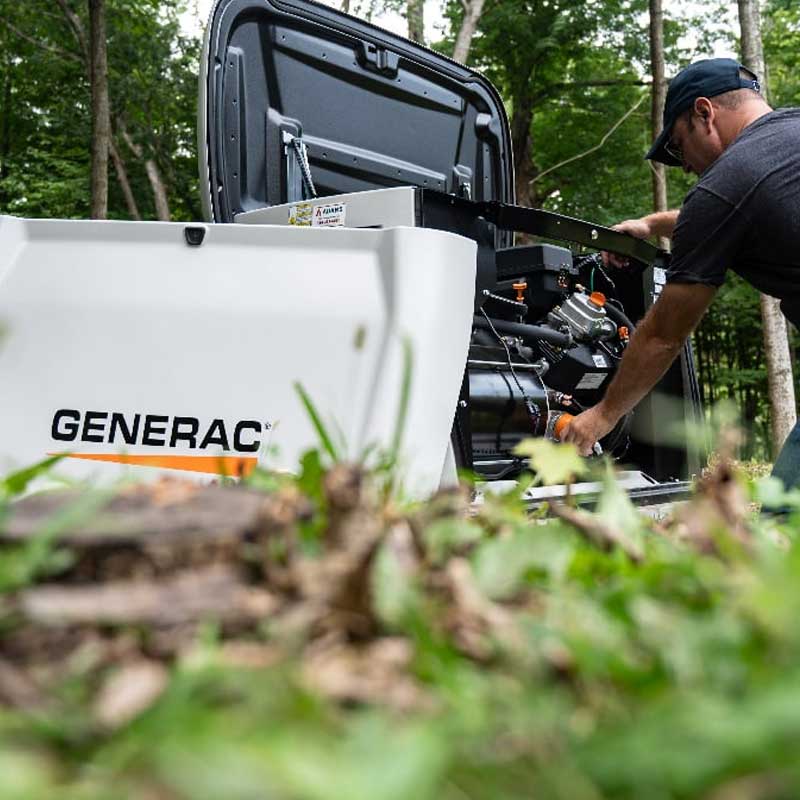
Plan for a brief power outage on the day of electrical installation — typically between 4-8 hours as we are required to cut utility power before any wiring begins.
As part of the electrical installation, we install an Automatic Transfer Switch (ATS) — the device that monitors your utility power and signals the generator to start during an outage. The ATS is mounted outside either near your electrical meter or adjacent to your main electrical panel.
System Testing and Homeowner Walkthrough
After installation, we run a full system test to verify:
- Proper startup and shutdown sequences
- Seamless automatic power transfer during simulated outages
- Safe and reliable operation under load
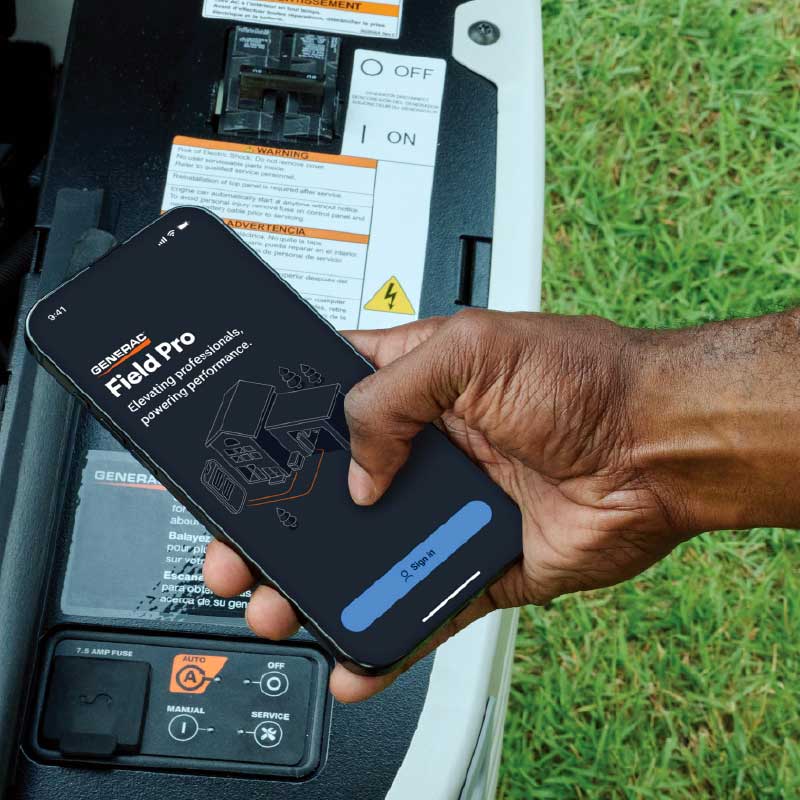
We’ll then walk you through how your system works, how to monitor it, and what to expect during a real outage. We’ll also present your service contract options. As part of our installation, we will remotely monitor your generator.
Why Generator Maintenance Can't Be Skipped
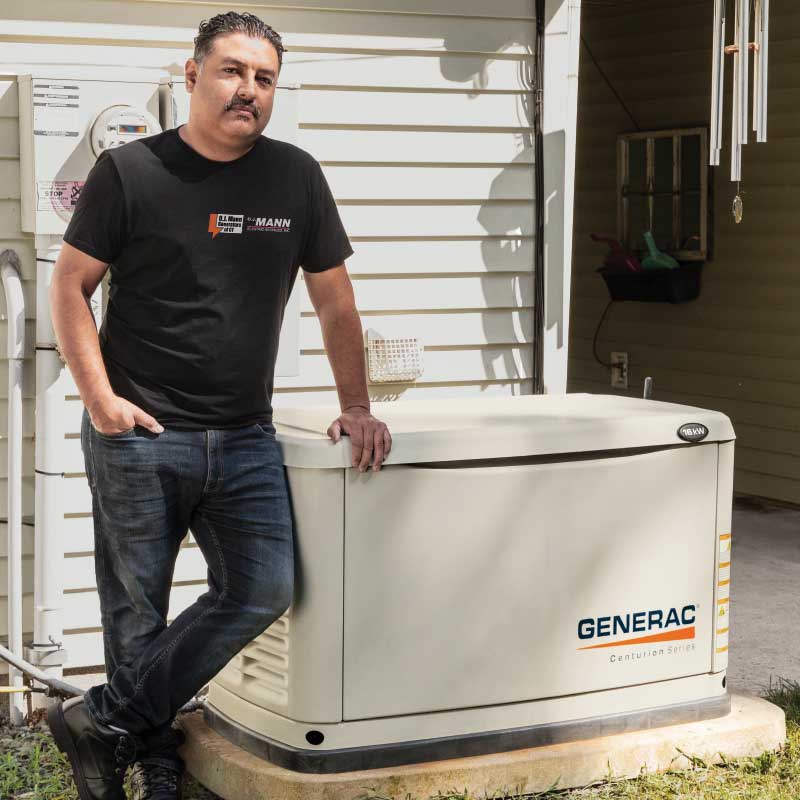
Standby generators are mechanical systems with engines, batteries, filters, and software — all of which degrade over time. Without regular service, common issues like a dead battery, clogged fuel filter, or software fault can prevent your generator from starting during an outage — exactly when you need it most.
Routine maintenance helps you:
- Extend the life of your generator
- Catch small problems before they become expensive repairs
- Keep your manufacturer warranty valid
- Have confidence your generator will perform during the next storm
What's Included in a Generator Maintenace Contract
Our comprehensive generator maintenance visit typically includes:
- Oil and oil filter change
- Air and fuel filter inspection or replacement
- Battery test and charging system check
- Cooling system and belt inspection
- Spark plug inspection
- Automatic Transfer Switch inspection
- Software updates and controller diagnostics
- Load test to confirm your generator can handle full power demand
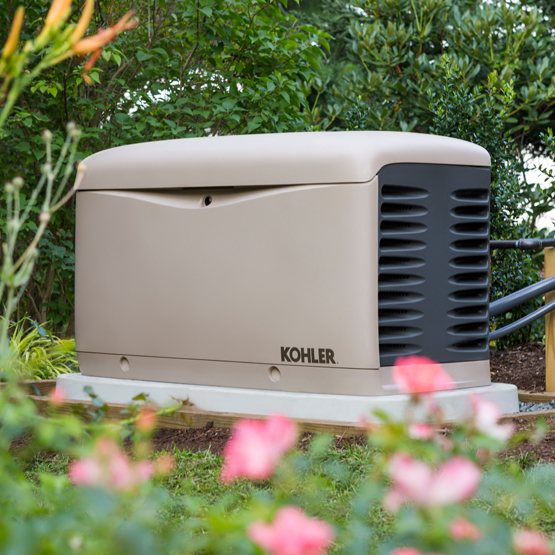
All service is performed to manufacturer specifications for Generac, Kohler, and Briggs & Stratton generators.
Get a free, no-pressure generator quote today.
Not sure what size generator you need or how much it costs? We’ll come to your home, assess your power needs, and give you a straightforward quote — no pressure, no obligation.
Schedule Generator Maintenance Today
Don’t wait for the next outage to find out your generator isn’t ready. Schedule your annual service or sign up for a maintenance plan today.